DP Mills UK - Innovating the Future of Size Reduction
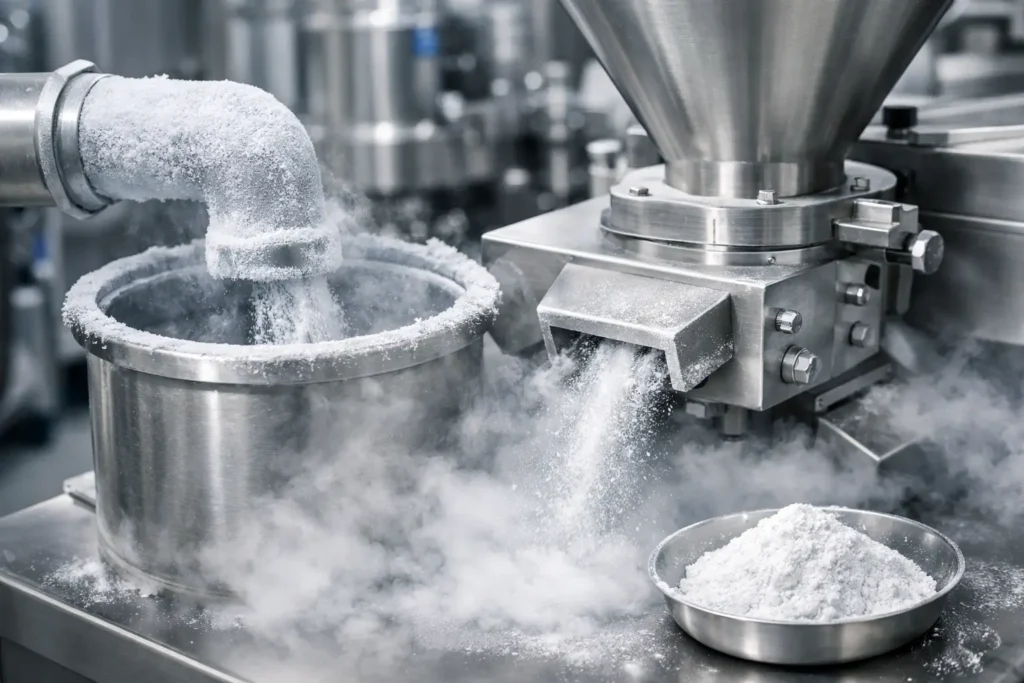
A mill that performs well on a mineral can fail to deliver acceptable results with an elastomer, spice, wax or heat-sensitive polymer. The question of why use cryogenic milling is therefore not simply about achieving a finer powder. It is about controlling temperature so the material fractures cleanly, retains its specified properties and can be processed consistently at production scale.
Cryogenic milling introduces a controlled low-temperature environment, commonly using liquid nitrogen, before and during size reduction. Cooling makes many difficult materials harder and more brittle, changing the way they respond to impact, shear and attrition. For manufacturers facing smearing, agglomeration, thermal degradation or variable particle size distribution, this can be the difference between an unstable process and a reliable one.
Why use cryogenic milling for difficult materials?
Conventional mechanical milling generates heat. At modest throughput this may be manageable, but temperature rise becomes a limiting factor when a material softens, becomes elastic or releases volatile components under milling energy. Instead of breaking into discrete particles, the product may deform, coat internal surfaces or form agglomerates. The result is lower yield, more cleaning time and poor control over the final powder.
Cryogenic cooling reduces the material temperature below its glass-transition point or embrittlement threshold, where applicable. In this state, impact energy is more likely to create fracture rather than deformation. The mill can then reduce the material efficiently while maintaining a narrower, more repeatable particle size distribution.
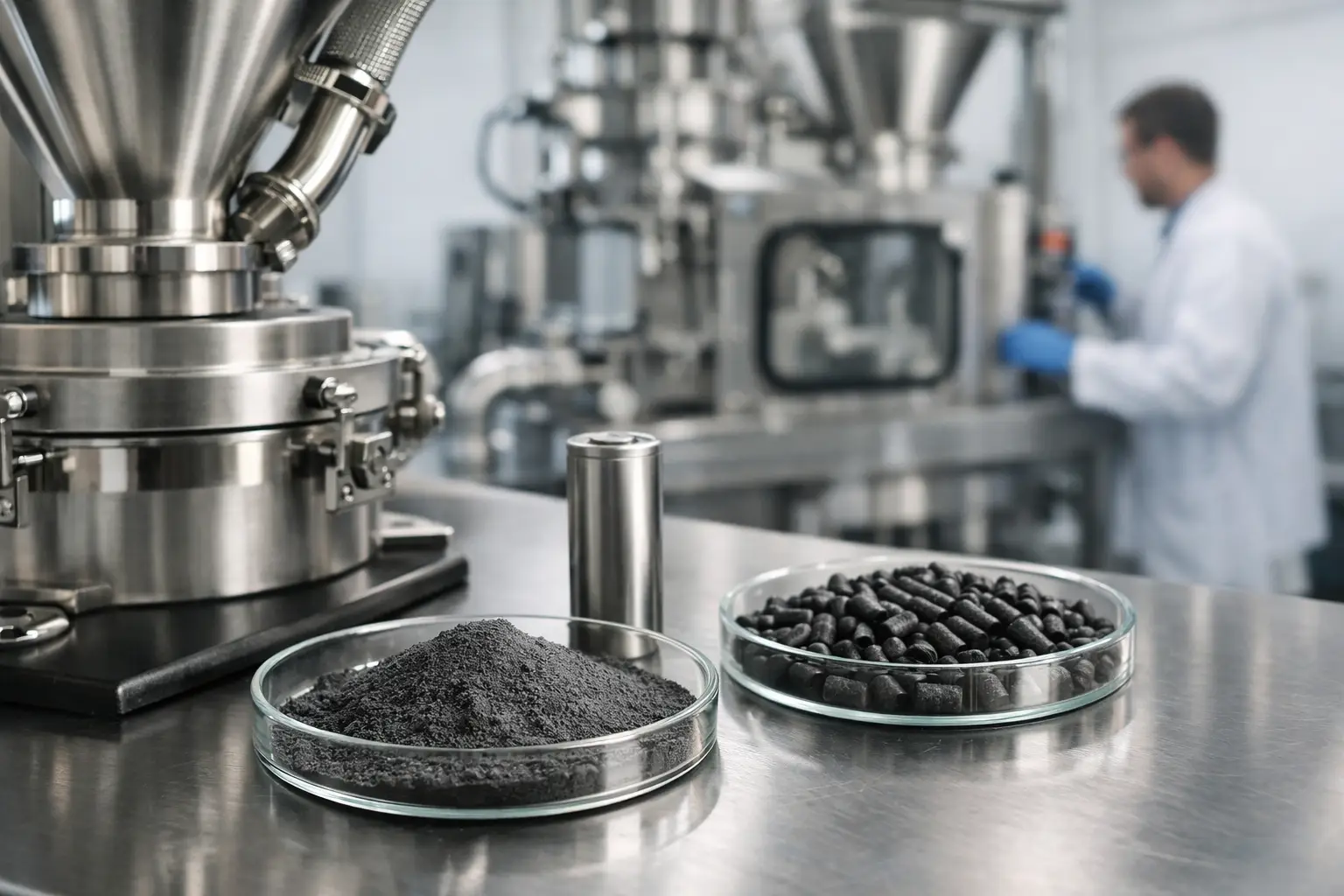
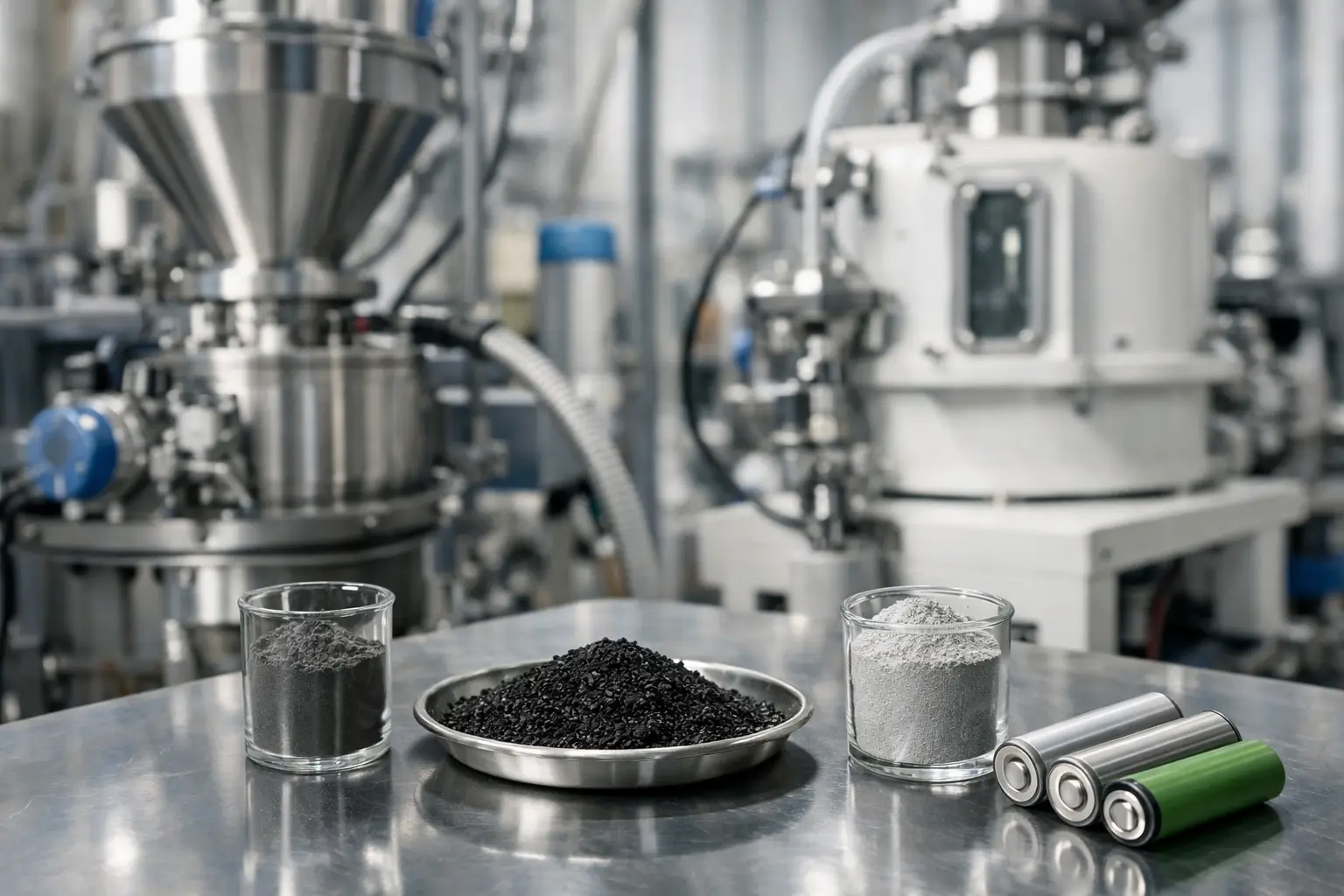
This principle is particularly valuable for polymers and rubber, including thermoplastic elastomers, tyres, cable compounds and adhesives. It is also widely relevant to spices, herbs, nutraceutical ingredients, pharmaceutical intermediates, waxes, resins, pigments and selected battery materials. Each application has its own thermal limits and product-quality requirements, so the required cooling duty must be established through testing rather than assumed from material type alone.
Better particle size control
Precise particle size reduction depends on the material presenting a consistent response to the mill. A warm, ductile feed will not behave consistently. It can stretch, smear and return oversized particles to the product stream, even where screen or classifier settings remain unchanged.
By making the feed more brittle, cryogenic milling improves breakage behaviour and reduces the tendency for particles to weld or stick together. This supports tighter control of top size, fines generation and particle size distribution. For downstream operations such as blending, compounding, coating, tabletting or dispersion, that consistency can directly affect product performance.
The benefit is not automatically a smaller micron size. In some processes, the primary objective is a clean-cut granulate with minimal fines. In others, it is a fine powder with a controlled distribution. A correctly engineered cryogenic system is designed around the required particle specification, not a generic claim of finer milling.
Protection of heat-sensitive product properties
Heat generated during ambient milling can alter the physical, chemical or sensory properties of a product. In food and flavour applications, volatile oils may be lost, weakening aroma and changing flavour profile. In pharmaceutical and nutraceutical processing, excess temperature can affect sensitive active ingredients, excipients or coating materials. With polymers, heat can cause softening, oxidation, discolouration or changes in molecular structure.
Cryogenic operation limits this thermal exposure. It can preserve volatile compounds, reduce oxidation risk and prevent the melting or softening that causes deposits within the milling chamber. The practical outcome is often improved product yield and less off-specification material, rather than cooling for its own sake.
Low temperatures can also assist with materials that become tacky at normal plant conditions. Resins, pressure-sensitive adhesives and wax-containing formulations are frequent examples. Keeping these materials below their softening point prevents build-up on rotor elements, screens and conveying equipment, allowing longer production runs between planned cleaning intervals.
How a cryogenic milling system is engineered
A production system is more than a standard mill supplied with a liquid nitrogen connection. Effective performance depends on controlling material temperature from feed point to collection, while managing nitrogen use, airflow, pressure and safety requirements.
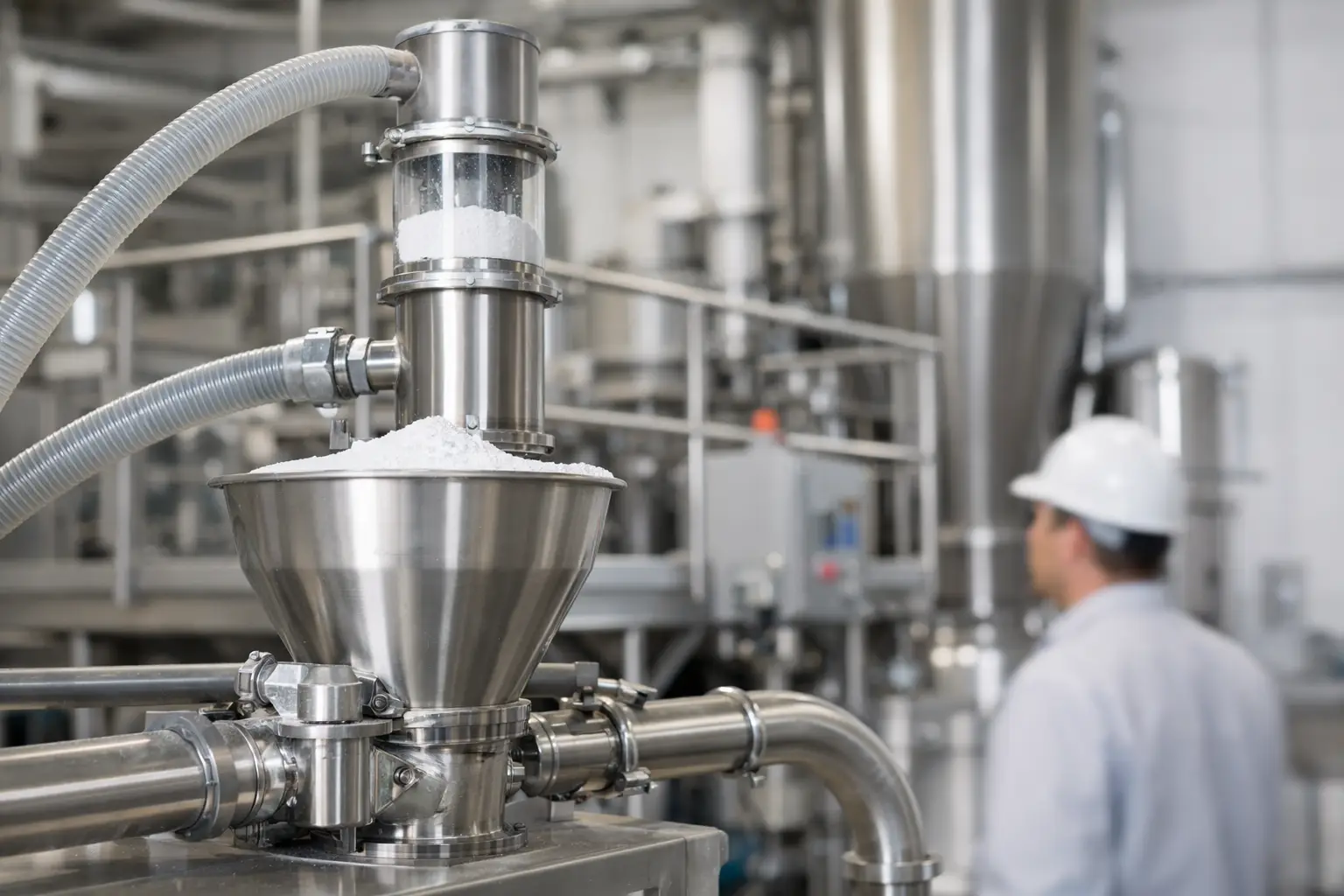
The process usually begins with conditioned feedstock entering an insulated screw feeder or cooling conveyor. Liquid nitrogen is introduced in a controlled manner to pre-cool the material before it reaches the mill. Depending on the application, the system may use a pin mill, hammer mill, turbo mill or another suitable grinding configuration. The ground product is then separated and collected through an appropriately designed classifier, cyclone, filter or enclosed powder handling system.
Temperature monitoring at critical points is essential. If feed enters too warm, the material may not embrittle sufficiently before impact. If excessive nitrogen is applied, operating cost rises unnecessarily and the process may create avoidable moisture-related handling issues when the product returns to ambient conditions. The engineering task is to find the operating window that protects product quality while delivering the required throughput.
Nitrogen use and operating cost
Liquid nitrogen is a consumable, so cryogenic milling must be evaluated on total process economics rather than machine output alone. The relevant comparison includes throughput, yield, cleaning frequency, reject rate, labour, maintenance, energy use and the value of material that would otherwise be lost through degradation or poor size control.
For a high-value pharmaceutical ingredient or a flavour-rich spice, preserving product quality can justify the cooling cost quickly. For a lower-value material that mills cleanly at ambient temperature, a cryogenic system may add cost without producing a meaningful processing benefit. Pilot trials are the most reliable way to establish nitrogen consumption per kilogram, achievable throughput and final powder quality under representative conditions.
Applications where low-temperature milling adds value
Cryogenic milling is often selected when conventional milling produces one or more clear failure modes: softening, smearing, blocked screens, excessive heat, loss of volatiles, poor flow or an unacceptable particle size spread. The application case should be based on these measurable process constraints.
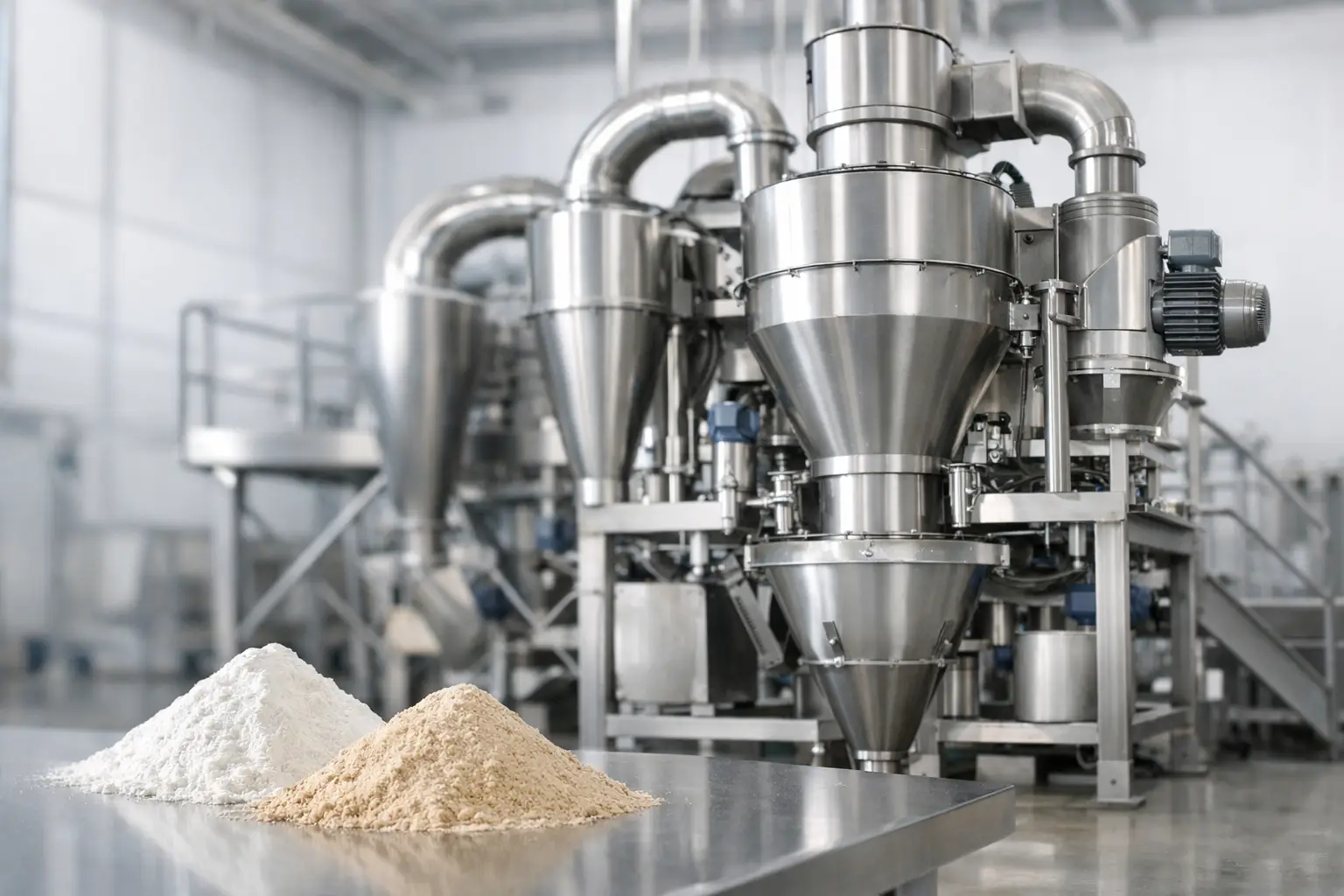
In rubber and polymer recycling, low-temperature milling can produce cleaner granules and powders from elastic feedstocks that are difficult to fracture at ambient temperature. In food processing, it can support the milling of spices and herbs while retaining aromatic oils. In chemical production, it can improve handling of waxy, resinous or adhesive materials. For performance-critical powders, it may also enable a more stable feed to downstream classification, blending and dosing equipment.
There are limitations. Materials that are already brittle and free-flowing may gain little from cryogenic conditioning. Some products are sensitive to moisture pickup after cooling and require carefully controlled collection and packaging. In addition, an inert nitrogen atmosphere can reduce oxygen exposure, but it does not remove the need for a full dust hazard assessment, ventilation design and appropriate operator safety controls. Nitrogen can displace oxygen in enclosed areas, making gas monitoring and safe system design essential.
Selecting the right process route
The starting point is a clear process specification: feed particle size, moisture content, target particle size distribution, required throughput, batch or continuous operation, product temperature limit and cleaning requirements. It is equally important to understand the downstream process. A powder intended for extrusion, pneumatic conveying or precision dosing may require different characteristics from one intended for simple bulk blending.
Laboratory and pilot-scale trials should replicate the production feed as closely as possible. Trial work can establish the temperature required for embrittlement, the best mill configuration, classifier settings, nitrogen consumption and likely wear characteristics. It also identifies whether pre-cooling alone is sufficient or whether temperature control must continue through milling and collection.
For commercial installations, integration matters as much as the mill itself. Feed handling, insulated transfer, dust collection, powder discharge, controls and safety interlocks should operate as one engineered system. A standalone mill can create bottlenecks if the surrounding equipment cannot maintain product temperature or handle the finished powder without segregation, condensation or contamination.
DP Pulverizer UK approaches cryogenic milling as an application-specific process solution, with development capability from laboratory evaluation through to integrated production systems. That approach helps manufacturers confirm the business case before committing to full-scale equipment.
The most useful next step is to test the material against its actual quality targets. When low temperature converts a difficult feed into a predictable, free-flowing powder, cryogenic milling becomes a practical production advantage rather than an added process cost.