

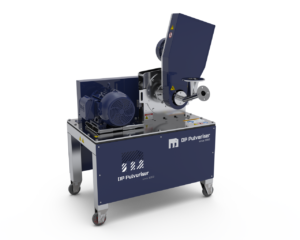
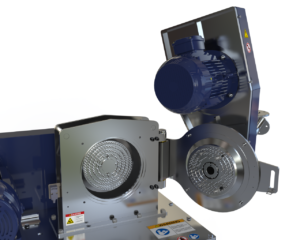
Choosing Particle Size Reduction Equipment
A practical guide to particle size reduction equipment, covering mill types, material behaviour, ...
 DP Mills UK - Innovating the Future of Size Reduction
Advanced Low-Temperature Grinding Systems for Heat-Sensitive Materials
Cryogenic Milling Solutions by DP Pulveriser UK
Many materials become difficult—or even impossible—to grind efficiently at ambient temperatures. Products containing oils, fats, waxes, elastomers, plastics, polymers, adhesives, and certain pharmaceutical compounds can soften, smear, agglomerate, or degrade during conventional milling processes.
Cryogenic milling solves these challenges by cooling materials to extremely low temperatures prior to and during size reduction, allowing products to become brittle and easier to grind while preserving their physical and chemical properties.
At DP Pulveriser UK, we design and supply advanced cryogenic milling systems engineered for precision particle size reduction of heat-sensitive materials across the food, pharmaceutical, nutraceutical, chemical, polymer, battery, and advanced materials industries throughout the United Kingdom and Europe.
Not Sure Which System You Need? Speak With Cryogenic Mills Specialist.

Cryogenic milling is a particle size reduction process that utilises extremely low temperatures—typically generated by liquid nitrogen—to cool materials before and during grinding.
By reducing product temperatures well below ambient conditions, many materials that are difficult to process become brittle and fracture more efficiently during milling.
Cryogenic grinding offers significant advantages when processing:
The result is improved grinding efficiency, finer particle sizes, enhanced product quality, and reduced thermal degradation.
The process begins by introducing material into a cooling zone where liquid nitrogen rapidly lowers the product temperature.
Once the desired temperature is achieved:
The combination of low temperatures and high-energy grinding enables particle sizes that may be impossible to achieve through conventional milling methods.
Many products lose quality when exposed to heat generated during conventional grinding.
Cryogenic milling preserves:
Cooling materials below their brittle point often enables significantly finer particle size reduction.
This can improve:
Materials such as plastics, waxes, rubber, and oily products often smear during ambient-temperature grinding.
Cryogenic processing prevents:
By improving brittleness and grindability, cryogenic milling often increases throughput while reducing energy consumption.
Cryogenic milling is widely used throughout Europe’s food industry for grinding products that contain oils, fats, or volatile compounds.
Applications include:
Low-temperature processing helps preserve aroma, flavour, and colour.
Pharmaceutical manufacturers utilise cryogenic milling for:
Precise particle size control can improve dissolution rates and product performance.
Cryogenic grinding is frequently used for:
Materials that become difficult to grind at ambient temperatures often process efficiently under cryogenic conditions.
Applications include:
Cryogenic processing enables efficient production of fine rubber powders.
Manufacturers utilise cryogenic mills for:
The rapidly growing European battery sector increasingly relies on cryogenic processing for:
Low-temperature grinding helps preserve material integrity and consistency.
Ambient temperature grinding often results in:
For difficult-to-grind materials, cryogenic processing often provides the only viable solution.
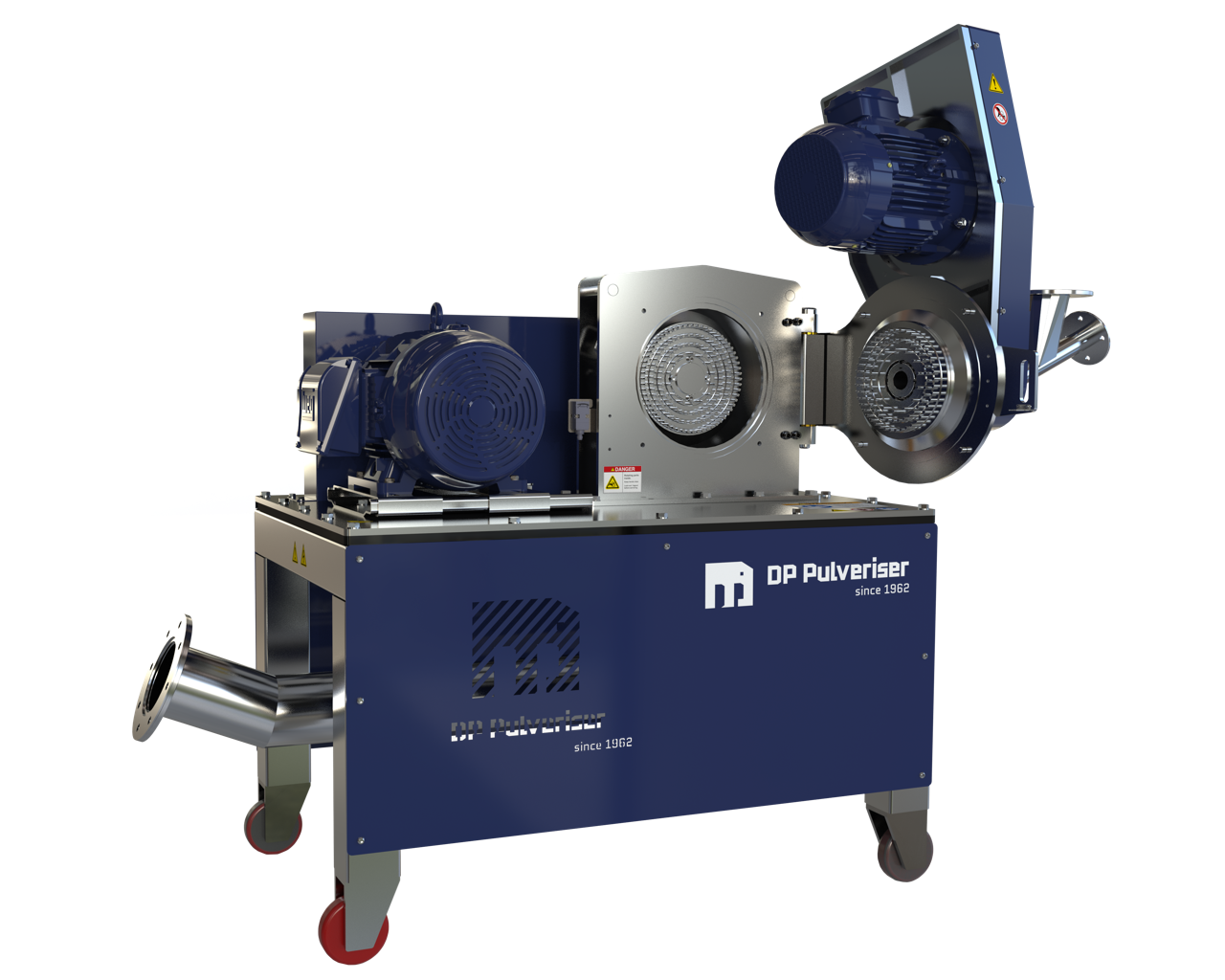
Cryogenic pin mills combine high-energy impact grinding with liquid nitrogen cooling.
Advantages include:
Ideal for food ingredients, chemicals, polymers, and pharmaceutical applications.
For applications requiring precise particle size distributions, cryogenic air classifier mills combine low-temperature grinding with dynamic classification.
Benefits include:
Successful cryogenic milling depends upon:
System design should optimise:
DP Pulveriser systems range from laboratory and pilot-scale units to industrial production systems processing multiple tonnes per hour.
Food and pharmaceutical applications may require:
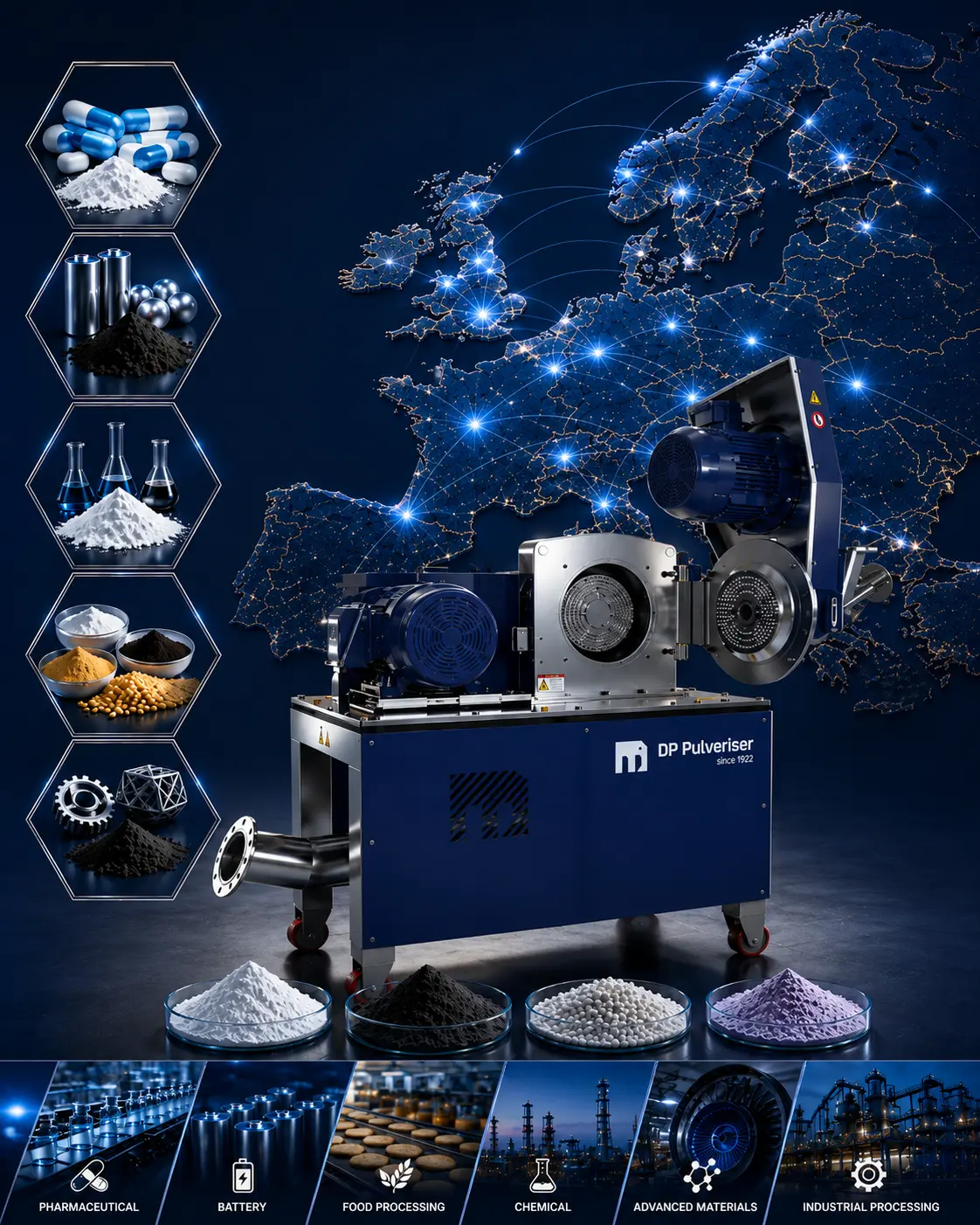
DP Pulveriser supplies cryogenic grinding systems throughout:
Our equipment supports food manufacturers, pharmaceutical companies, polymer processors, battery manufacturers, chemical producers, recycling facilities, and advanced materials developers throughout Europe.
Whether you are processing spices, polymers, rubber, pharmaceutical compounds, battery materials, waxes, adhesives, or specialty chemicals, DP Pulveriser UK can develop a cryogenic milling solution engineered specifically for your material and application.
Contact our engineering team today to discuss your product, target particle size, throughput requirements, and cryogenic processing objectives.
Engineered for precision grinding, dynamic classification, and consistent powder processing performance.
Precision particle reduction for consistent powder performance.
Explore Fine GrindingUltra-fine particle engineering for advanced powder applications.
Explore MicronizationControlled milling for accurate particle size distribution.
Explore Particle Size ReductionIntegrated powder handling for reliable material processing.
Explore Powder Processing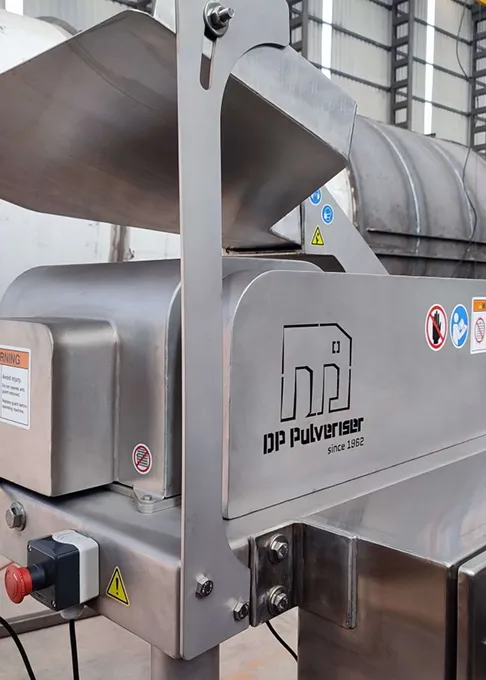
DP Pulveriser combines extensive particle processing expertise with advanced cryogenic engineering to deliver solutions tailored to each application.
Our capabilities include:
Every cryogenic milling system is engineered to maximise product quality, efficiency, and long-term reliability.
Not Sure Which System You Need? Speak With an Engineer
A practical guide to particle size reduction equipment, covering mill types, material behaviour, ...