DP Pulveriser UK - Innovating the Future of Size Reduction
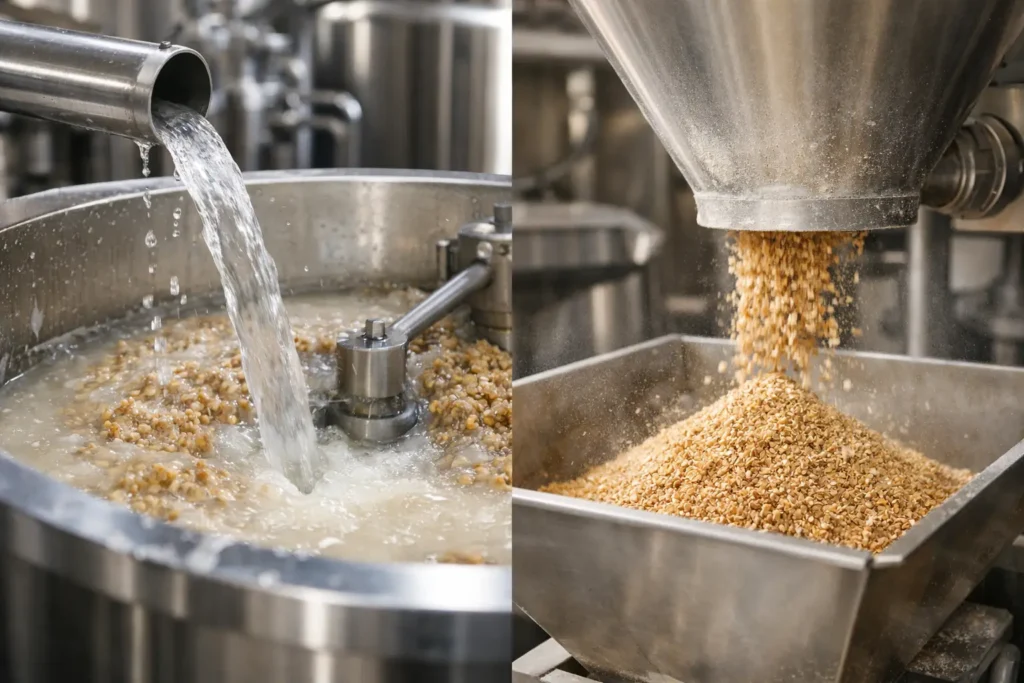
A material that performs well in a dry mill can become difficult to process when it is dispersed in liquid. Equally, a powder that achieves an excellent fine particle size in a wet system may lose its commercial advantage once drying, solvent recovery and waste handling are considered. The decision between wet milling versus dry milling is therefore not simply a choice of machine. It is a process-design decision that affects product quality, safety, throughput, operating cost and the layout of the complete production line.
For manufacturers working with demanding powders, the right route begins with the material specification and ends with a realistic assessment of downstream processing. Particle size alone is not enough. Moisture sensitivity, heat generation, contamination limits, flow properties, explosion risk and final product form must all be considered.
Wet milling versus dry milling: the fundamental difference
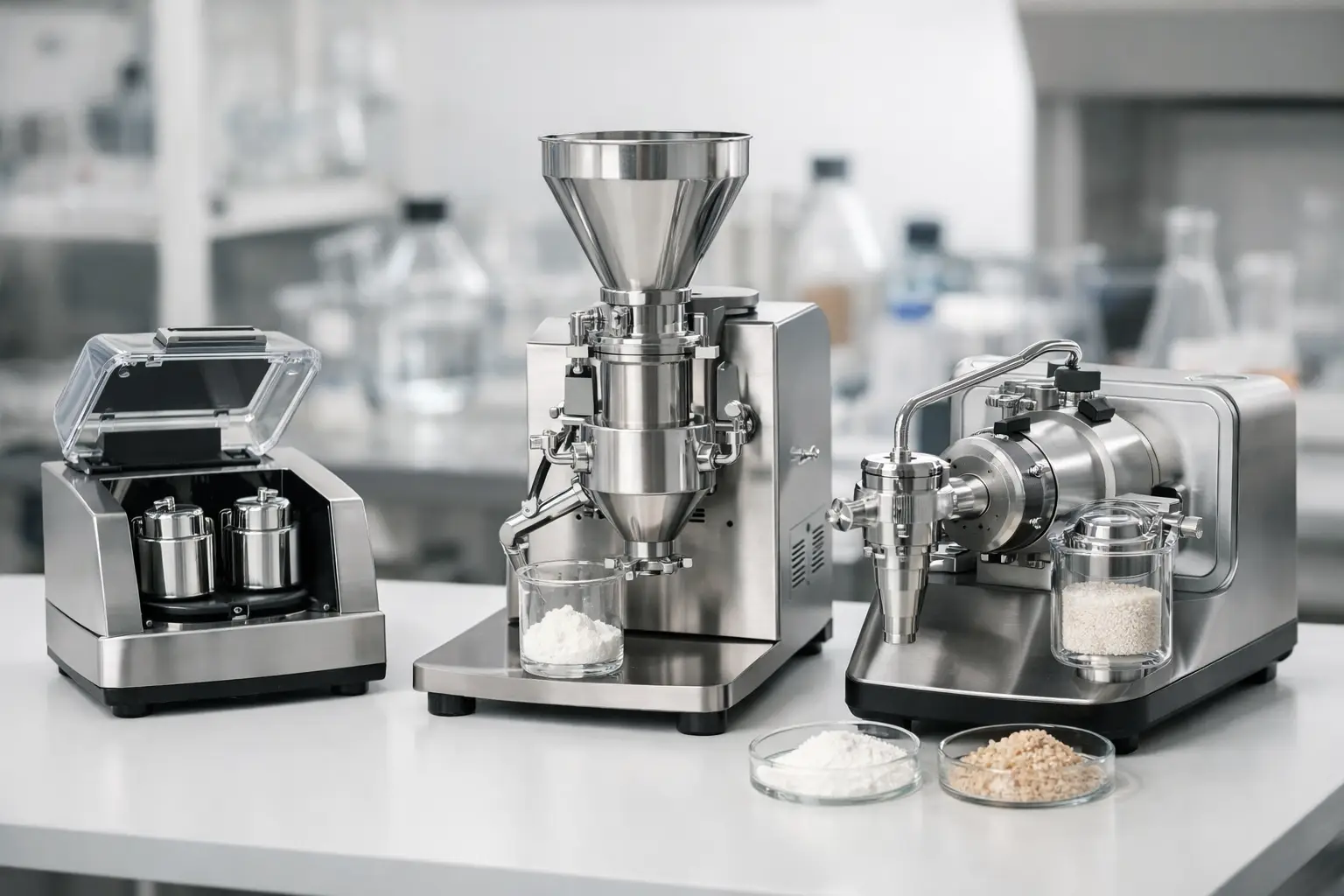
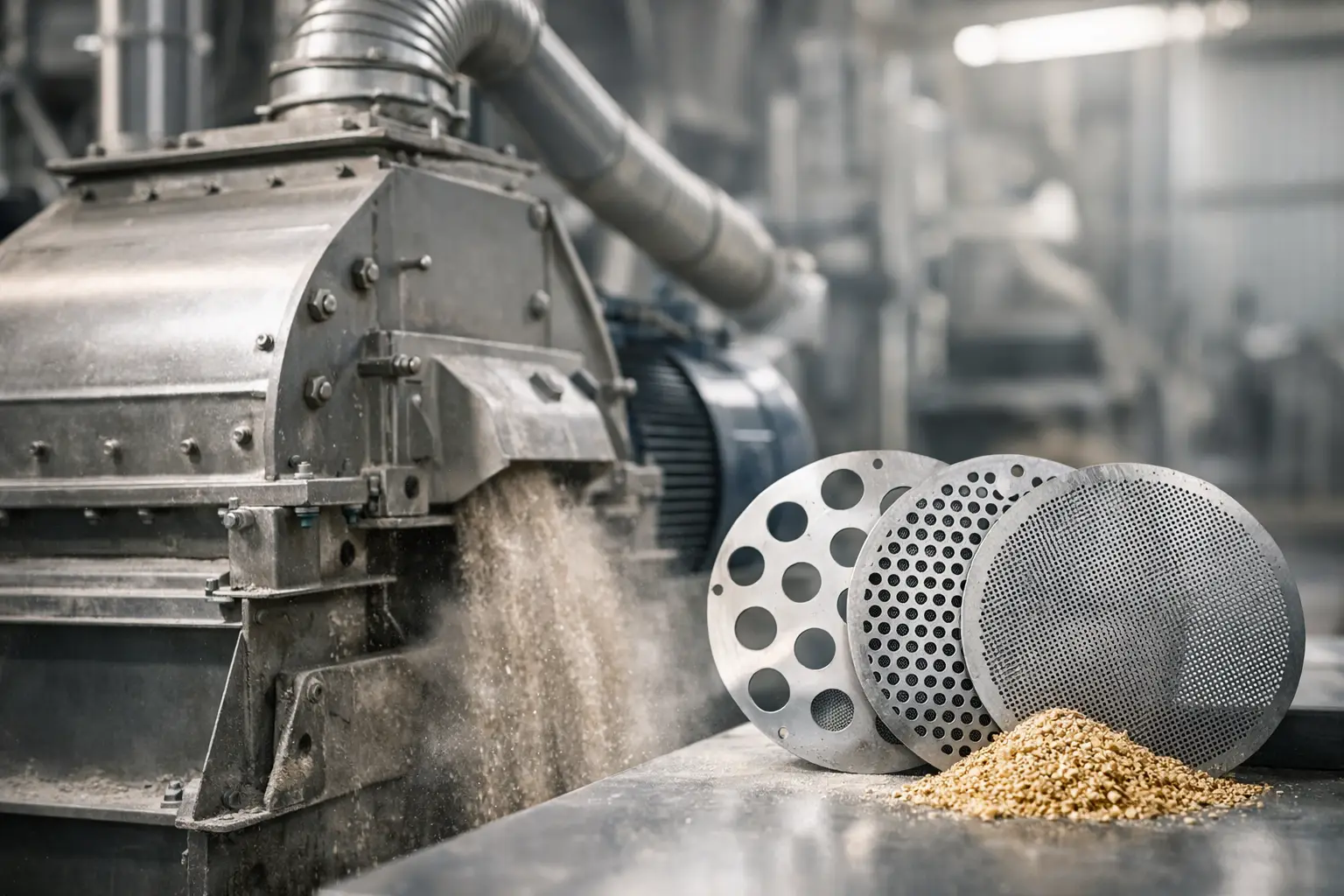
Dry milling reduces particle size without a liquid process medium. Material is fed as a powder, granule, crystal or brittle solid and size reduction is achieved through impact, attrition, shear or compression. Depending on the target specification, equipment may include hammer mills, pin mills, turbo mills, universal mills, jet mills or air classifier mills.
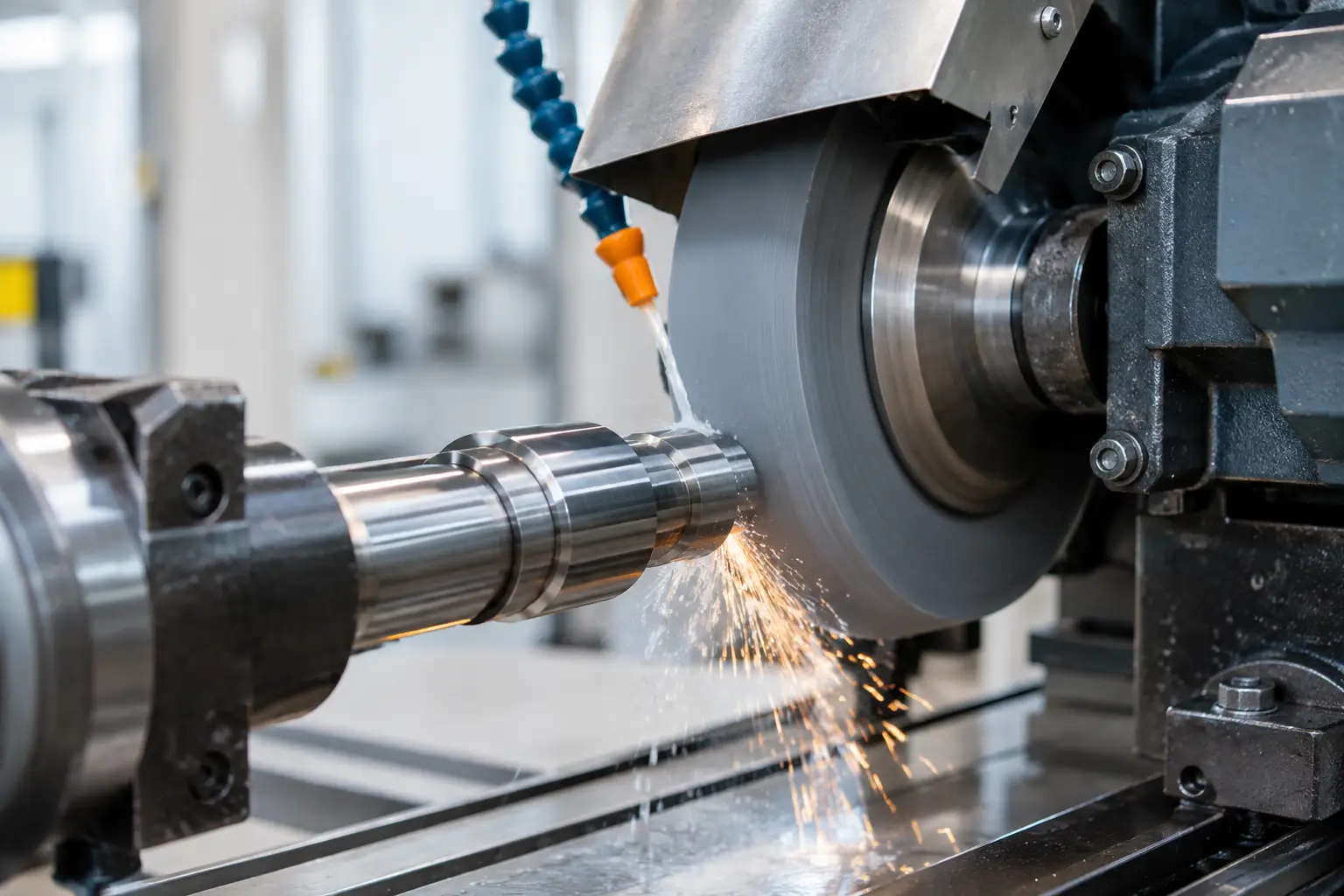
Wet milling processes material suspended or dispersed in a liquid, producing a slurry, suspension or paste. The liquid can support particle transport, reduce airborne dust and assist with the dispersion of fine particles. Wet size reduction commonly uses high-energy media milling, rotor-stator equipment or specialised colloid milling arrangements, selected according to viscosity, product chemistry and required fineness.
The distinction matters because liquid changes the mechanics of milling. It can cushion impacts, alter viscosity and prevent particle agglomeration, but it also introduces an additional phase that may need to be filtered, dried, recovered or treated. Dry milling usually provides a more direct route from feedstock to powder, while wet milling can offer greater control for difficult-to-disperse or very fine materials.
Particle size, distribution and product performance
The required particle size distribution is usually the strongest technical driver. Dry milling is highly effective for a broad range of size-reduction duties, from coarse granulation through to fine powders. A properly selected mill, combined with air classification where required, can produce repeatable cuts while removing oversize material from the finished product stream.
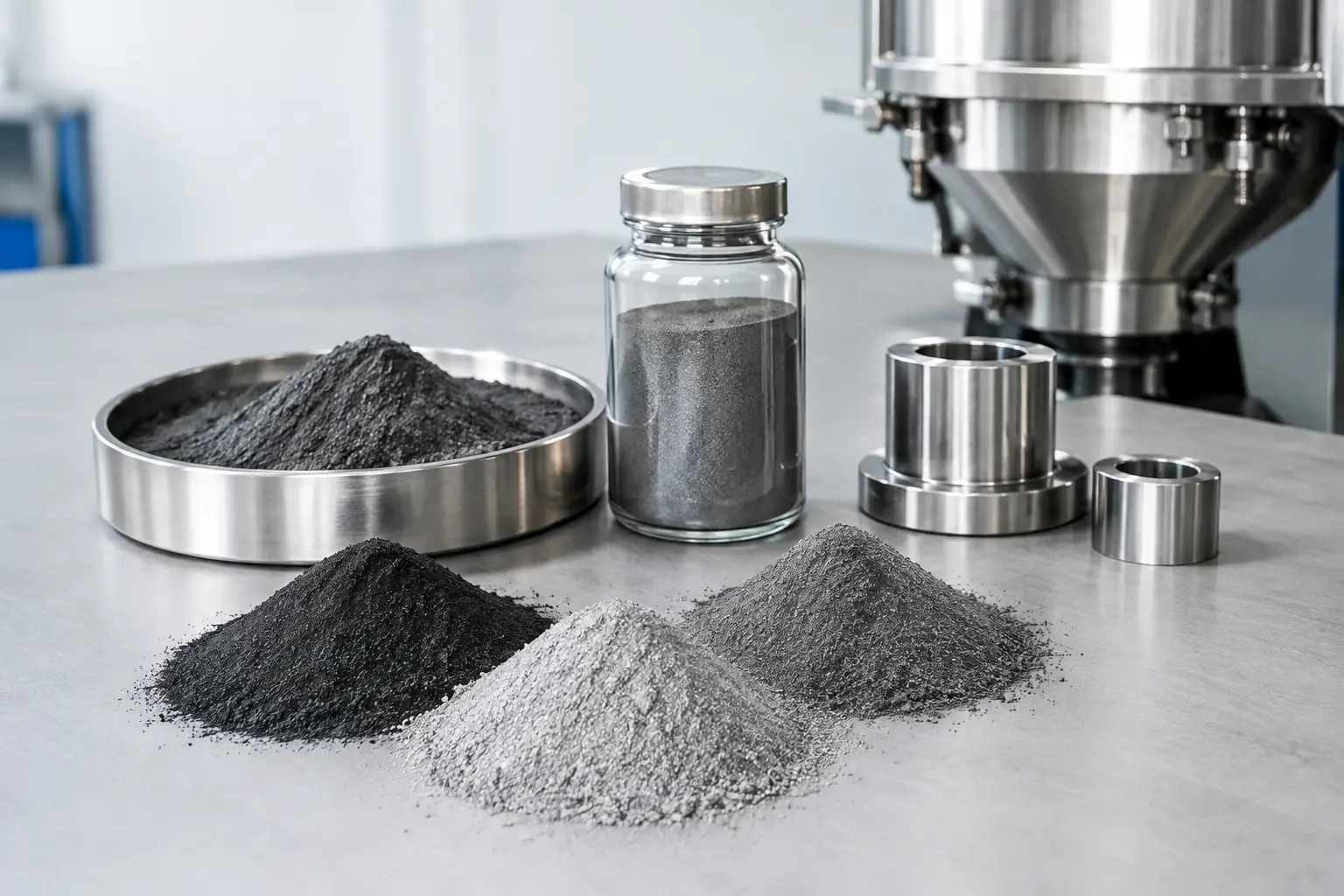
Jet milling is frequently selected when very fine, high-purity dry powders are required. It uses particle-on-particle impact rather than conventional grinding media, which can reduce the risk of metallic contamination. Air classifier mills provide an alternative for applications that demand controlled top size alongside practical industrial throughput.
Wet milling can be advantageous when the objective is to create a stable fine dispersion rather than a dry powder. The liquid medium can help separate particles and reduce re-agglomeration, particularly with pigments, coatings, battery materials, pharmaceutical suspensions and certain mineral products. In these applications, a narrow distribution and controlled particle surface may be more valuable than the lowest possible median particle size.
Neither method automatically produces a better result. A dry process can give superior efficiency where the material is free-flowing and the final product must remain dry. A wet process may achieve better dispersion for cohesive, waxy or poorly wetting particles. Trial work at laboratory and pilot scale is often the fastest way to establish the true relationship between mill energy, residence time, particle size distribution and product performance.
Processing trade-offs that affect total cost
The apparent simplicity of dry milling is a major benefit. There is no liquid carrier to purchase, manage or remove, and no slurry handling system is required. Material can often move from milling to classification, blending, conveying and packing in a closed dry process. This reduces process steps and can improve production responsiveness.
However, dry milling is not free from engineering constraints. Fine dry powders may generate dust, become electrostatically charged or present a combustible dust hazard. Hygroscopic materials can absorb moisture and lose flowability. Heat-sensitive products may soften, smear or degrade in a conventional impact mill. In such cases, temperature control, inert gas operation, cryogenic milling or a different mill principle may be necessary.
Wet milling reduces dust at the point of size reduction and can improve the handling of materials that are difficult to feed as dry solids. It may also limit temperature rise, depending on the process medium and cooling arrangement. For some high-value formulations, the ability to control dispersion quality justifies the additional process complexity.
The trade-off is downstream burden. A wet route may require mixing vessels, pumps, pipework, filtration, centrifugation, drying equipment and solvent recovery. Each stage adds capital cost, cleaning requirements, validation considerations and energy demand. If the finished product must ultimately be a dry powder, drying can become the dominant cost and capacity constraint in the line.
Choosing the right route for the material
A practical selection process should start with the material, not a preferred technology. The following questions help determine whether wet or dry processing is likely to offer the better result:
- Is the final product required as a dry powder, a suspension, a paste or an intermediate for further formulation?
- What particle size distribution, top-size control and particle morphology are required?
- Does the material degrade with heat, absorb moisture, oxidise or present a dust-explosion risk?
- Are contamination limits critical, particularly in pharmaceutical, food, battery and high-purity chemical applications?
- Will the liquid medium improve dispersion enough to justify drying, recovery and cleaning requirements?
Feed condition also matters. A dry mill needs stable, controlled feeding to achieve consistent results. Lumpy or variable feedstock may require pre-crushing, screening or dosing equipment. Wet systems require equally careful attention to slurry concentration, viscosity, pH, temperature and recirculation rate. A poorly controlled feed will create inconsistent output regardless of the mill selected.
Industry applications and typical fit
In pharmaceutical and nutraceutical manufacture, dry milling is commonly used for deagglomeration, controlled granule sizing and powder preparation before blending or tabletting. Wet milling may be selected for suspensions, emulsions or active ingredients that require fine dispersion. Hygiene, cleanability and containment are central to both approaches.
Food ingredients often favour dry milling when producing spices, sugar, cereal ingredients, proteins and powdered additives. Cryogenic systems can support heat-sensitive materials such as herbs, flavours and fatty products by limiting temperature rise and preserving product characteristics. Wet milling is more relevant to sauces, pastes, beverages and liquid formulations.
For coatings, inks and pigments, wet milling is widely used where colour development, dispersion stability and fine particle separation govern final performance. In minerals, ceramics and battery materials, the best choice depends on required purity, particle morphology and subsequent processing. Dry jet milling and air classification can be effective for controlled fine powders, while wet processing may be required where dispersion and surface chemistry are decisive.
Engineering the complete process, not just the mill
The milling chamber is only one part of a successful installation. Dry systems may need enclosed conveying, dust collection, explosion protection, magnetic separation, air classification and automated packing. Wet lines may need formulation tanks, dosing controls, cooling, recirculation, separation and drying. The interfaces between these stages determine whether a process delivers consistent production performance or repeated bottlenecks.
For this reason, equipment selection should be supported by representative trials and clear acceptance criteria. Establish the feed specification, target distribution, throughput, temperature limit, contamination threshold and cleaning standard before finalising the system. This gives engineering teams a sound basis for selecting the mill, ancillary equipment and control strategy.
DP Pulveriser UK applies this application-led approach across laboratory development, pilot validation and full-scale production systems, helping manufacturers specify powder processing equipment around measurable process outcomes rather than nominal machine capacity.
The most effective choice is the one that produces the required material reliably with the fewest avoidable process steps. When wet milling offers decisive dispersion benefits, engineer the liquid handling and drying stages with equal care. When dry milling can meet the specification, use that simplicity to improve throughput, containment and long-term operating cost.