DP Pulveriser UK - Innovating the Future of Size Reduction
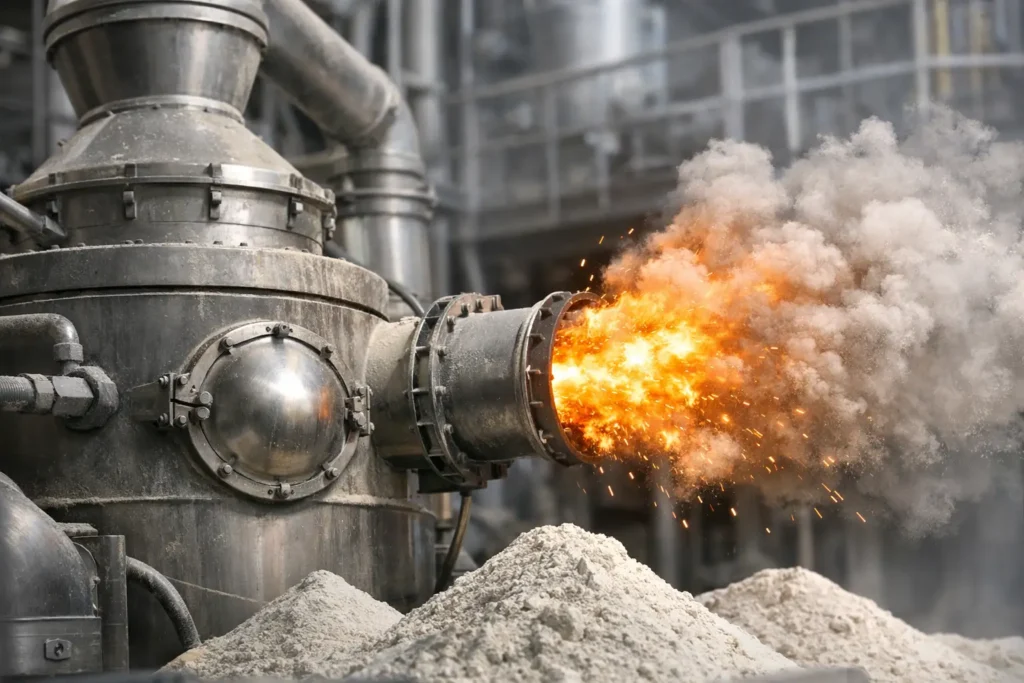
A mill can produce a finely controlled powder while also creating the conditions for a dust explosion. High-speed impact, friction, pneumatic conveying and enclosed dust collection can combine combustible material, oxygen and an ignition source within the same process. Effective explosion protection for mills therefore cannot be specified as an accessory after the mill selection. It must be engineered around the material, operating duty and the complete connected process.
For pharmaceutical excipients, food ingredients, chemicals, battery materials, pigments or agricultural products, the objective is clear: achieve precise particle size reduction without transferring an unmanaged risk to the filter, ductwork, discharge system or operator environment. The correct solution depends on the powder and the plant arrangement. It is rarely a matter of selecting one device for every application.
Dust explosion risk begins with process conditions
Combustible dust is not limited to obviously organic materials. Many powders can present an explosion hazard when dispersed at the right concentration, including metals, polymers, sulphur-based products and certain chemical intermediates. Milling can increase the risk because reducing particle size increases surface area and may make a material easier to ignite or more reactive.
The relevant hazard is shaped by more than the name of the raw material. Particle size distribution, moisture content, temperature, solvent residues, oxygen concentration and contamination can all alter behaviour. A material that has been safely handled as a coarse granule may need a different protection strategy after fine grinding or classification.
Plant teams should also distinguish between a primary event in the mill and flame propagation through connected equipment. A dust collector, receiver, screw conveyor or pneumatic line may contain a larger dust cloud volume than the mill itself. Without suitable isolation, an event originating in one item can travel into another part of the line and escalate rapidly.
Start with tested material data
A defensible design starts with representative dust characterisation. Generic values from a safety data sheet or a similar product should not be treated as final design data, particularly where formulation, moisture levels or target fineness vary. Testing may establish parameters such as Kst, maximum explosion pressure (Pmax), minimum ignition energy, minimum ignition temperature and limiting oxygen concentration.
These results inform the protection concept and its sizing. They also help identify whether prevention measures can reduce the likelihood of ignition, or whether explosion venting, suppression and containment are required to manage the consequences. Where product changes are frequent, the assessment should consider the most onerous credible powder, rather than only the material currently in production.
The process duty matters equally. A pilot unit running intermittently is not directly comparable with a continuous production mill operating over multiple shifts. Throughput, air volume, internal pressure, start-up and shutdown sequences, cleaning methods and expected wear all affect the practical performance of the safety system.
Explosion protection for mills is a system choice
There are four main engineering routes, often used in combination: explosion venting, suppression, pressure-resistant construction and explosion isolation. The appropriate balance depends on the material data, equipment location, available space and consequences of a release.
Explosion venting
Explosion vents provide a predetermined relief path, reducing pressure inside equipment during an event. They can be effective for suitably located mills, filters and receivers, but venting is not automatically appropriate indoors. A conventional vent discharges flame, pressure and dust to a defined area, which may be unacceptable where personnel, neighbouring equipment or building boundaries are nearby.
Flameless venting can be considered where external vent discharge is impractical, subject to the equipment, dust characteristics and installation constraints. It introduces its own requirements, including clear space around the device and planned inspection. Venting also needs careful coordination with the vessel strength and the actual connected volume, not simply the nominal mill size.
Suppression and pressure-resistant design
Explosion suppression detects the initial pressure rise and releases an extinguishing agent before destructive pressure develops. This approach may suit enclosed indoor installations where external venting is not viable. It requires reliable detection, correctly positioned suppression bottles, maintained controls and a clear approach to post-event recovery.
Alternatively, equipment may be designed to withstand the predicted explosion pressure. Pressure-resistant or explosion-pressure-shock-resistant construction can be a strong option for certain process arrangements, but it does not remove the need to address flame propagation to connected equipment. It can also increase capital cost and equipment weight, particularly on larger systems.
Explosion isolation
Isolation prevents flame and pressure from moving through ducts and process connections. Depending on the duty, this may involve chemical isolation barriers, fast-acting valves, rotary valves assessed for the intended isolation function, or other certified devices. A standard rotary airlock should never be assumed to provide explosion isolation simply because it sits beneath a filter or receiver.
Isolation is often where otherwise well-conceived installations fall short. The mill, collector, cyclone, conveying line and feed system must be assessed as a connected network. Duct length, diameter, direction of travel, air velocity and the time required for a protective device to actuate all influence the final arrangement.
Match the protection concept to the mill type
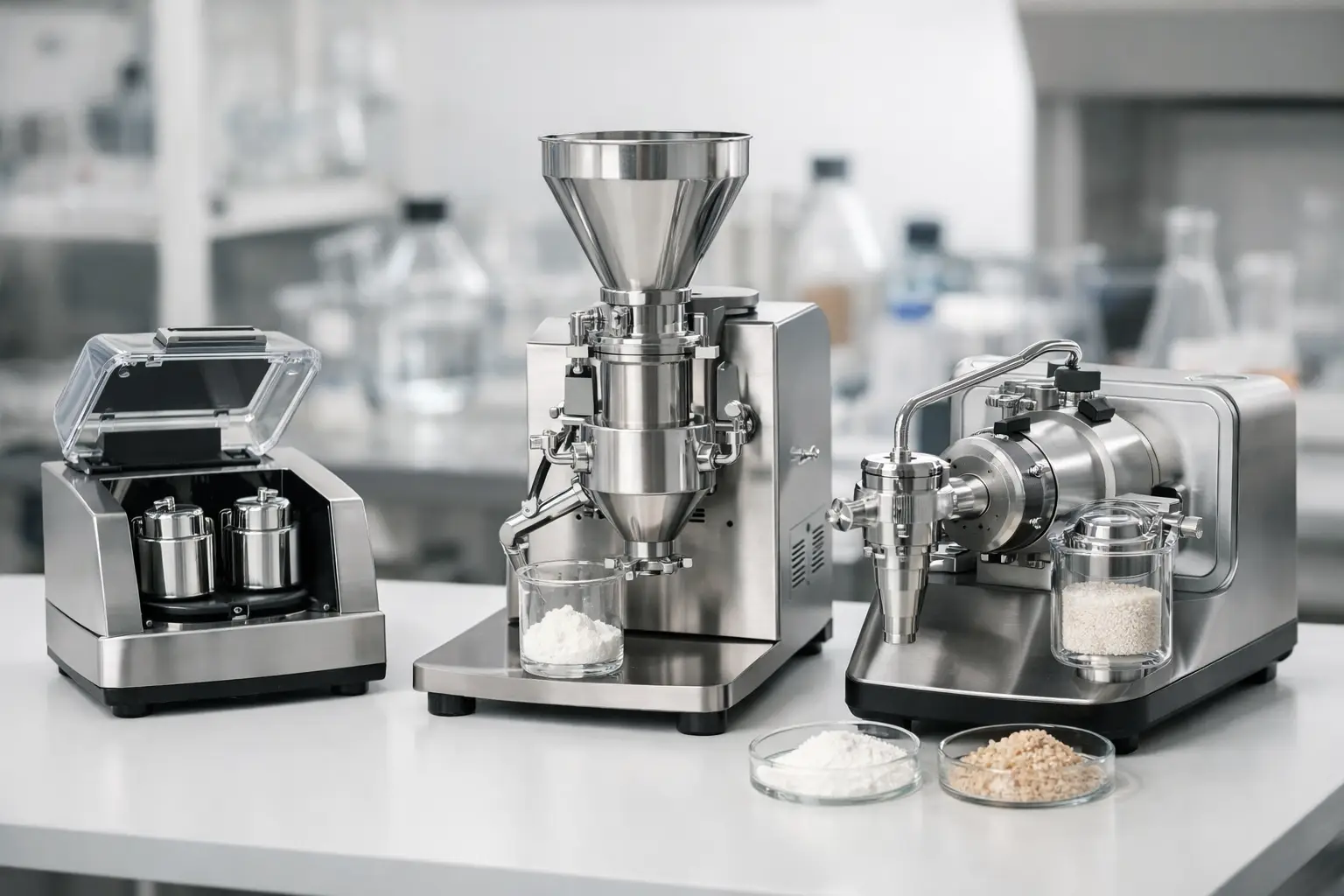
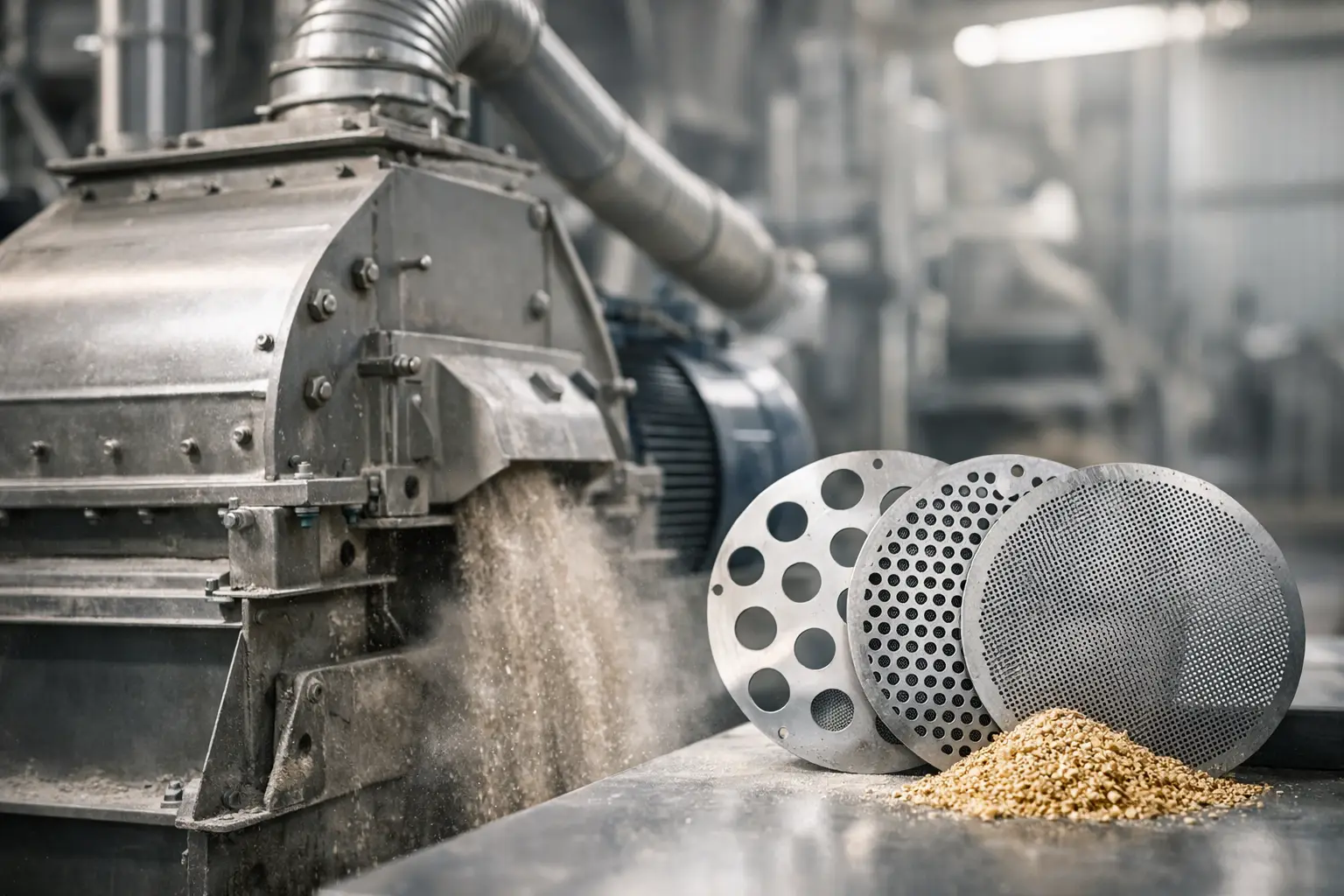
Different milling technologies create different process environments. A hammer mill or universal mill may introduce impact energy and high internal dust loading. Pin mills and turbo mills can operate at high peripheral speeds, making control of foreign material, bearing condition and mechanical clearances particularly relevant. Air classifier mills add classifier airflow and often connect directly to collection equipment, so the full milling and separation circuit needs consideration.
Jet mills require particular attention to the process gas. Nitrogen inerting may be used where the material and application justify it, reducing oxygen below the limiting concentration. This can be highly effective, but only if gas quality, oxygen monitoring, purge sequences, pressure control and safe access procedures are properly engineered. Inerting also has operational and cost implications that should be evaluated against venting or suppression alternatives.
Cryogenic milling can reduce heat generation and improve the processing of elastic, heat-sensitive or volatile materials. However, low-temperature operation does not eliminate combustible dust risk by default. It introduces additional requirements around gas handling, condensation, oxygen depletion and the behaviour of the product as it returns to ambient conditions.
For every mill type, ignition-source control remains fundamental. This includes bearing temperature monitoring where appropriate, vibration monitoring, foreign-body management, earthing and bonding, suitable electrical equipment classification, preventative maintenance and disciplined cleaning. Protection measures manage consequences; they should not be used as a reason to accept avoidable ignition sources.
Engineer the whole powder line, not just the mill
A mill is one section of a powder processing system. Feed hoppers, loss-in-weight feeders, conveying lines, cyclones, bag filters, product bins and packing stations can each affect explosion risk and containment. Layout decisions made early in the project often determine whether the final solution is straightforward or unnecessarily complex.
For example, locating a dust collector outdoors may make conventional venting more practical. Reducing unnecessary duct length can improve process efficiency while limiting the volume available for flame propagation. Designing access points for cleaning and inspection reduces the likelihood of dust accumulations, which can create the conditions for a damaging secondary explosion.
Control integration is equally important. Interlocks should place the mill, feeder, classifier, extraction fan and protective system into a safe sequence. If an inerting system is used, the mill should not begin processing until the required oxygen condition is confirmed. If a protective device activates, the plant needs a defined shutdown state, alarm response and inspection procedure before restart.
Build safety into scale-up and procurement
The most effective time to address explosion risk is during process development, before the production layout is fixed. Laboratory and pilot trials can establish target particle size, throughput, temperature rise, gas demand and collection performance. Those results should be considered alongside dust test data so that production equipment is selected for both process performance and safe operation.
A well-specified project defines the material range, expected operating envelope, cleaning regime, equipment interfaces and site constraints from the outset. It should also identify the applicable duties under DSEAR and relevant equipment requirements, with responsibility clearly allocated between the equipment supplier, protection-system specialist, installer and site operator.
DP Pulveriser UK can support this engineering approach by configuring milling, classification, conveying and collection equipment as an integrated processing system rather than a set of isolated machines. That matters when a change to throughput, airflow or particle size affects the safety design as well as product quality.
The best protection strategy is one operators can understand, inspect and maintain throughout the life of the plant. When dust data, mill design, containment and control logic are treated as one engineering decision, safety supports reliable production rather than becoming a constraint added after commissioning.