DP Pulveriser UK - Innovating the Future of Size Reduction
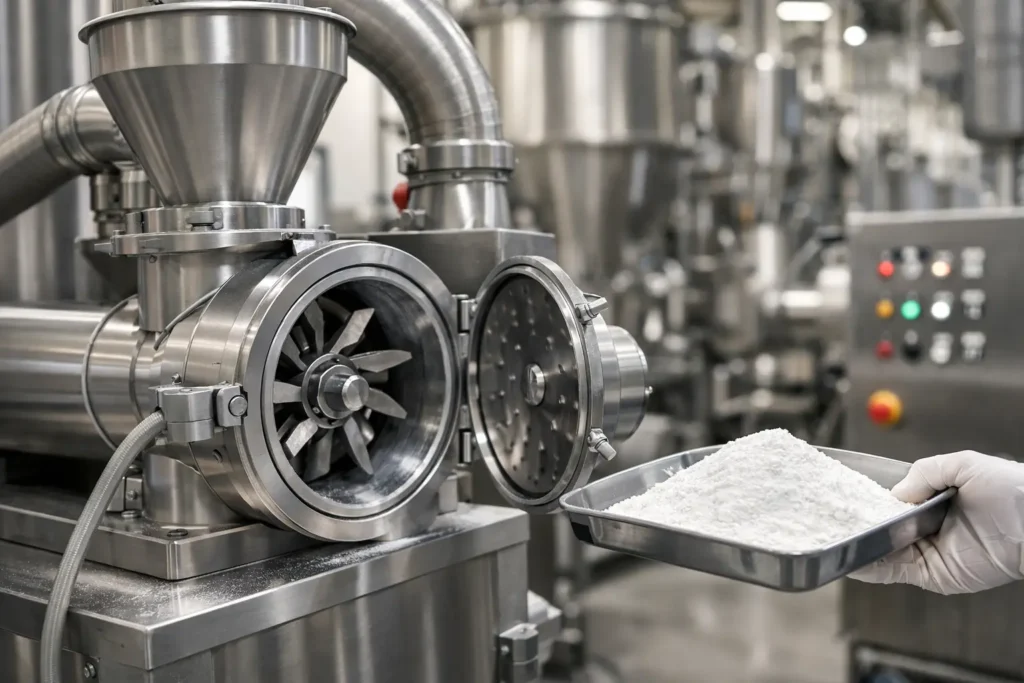
A turbo mill that produces the required laboratory sample can still become a constraint when it enters continuous production. Once feed rate rises, material temperature changes, and downstream equipment begins to influence pressure balance, turbo mill performance is determined by the whole process rather than rotor speed alone. For manufacturers producing demanding powders, stable output depends on controlling the interaction between material, machine, air and classification.
Turbo mills are widely selected for fine to medium-fine size reduction where efficient impact grinding, high throughput and a controlled particle size distribution are required. They can be highly effective across chemical, mineral, food, nutraceutical, pigment and speciality materials applications. However, the same operating conditions will not suit every product. A brittle mineral, a fibrous botanical powder and a heat-sensitive active ingredient respond very differently to impact energy and airflow.
What Controls Turbo Mill Performance?
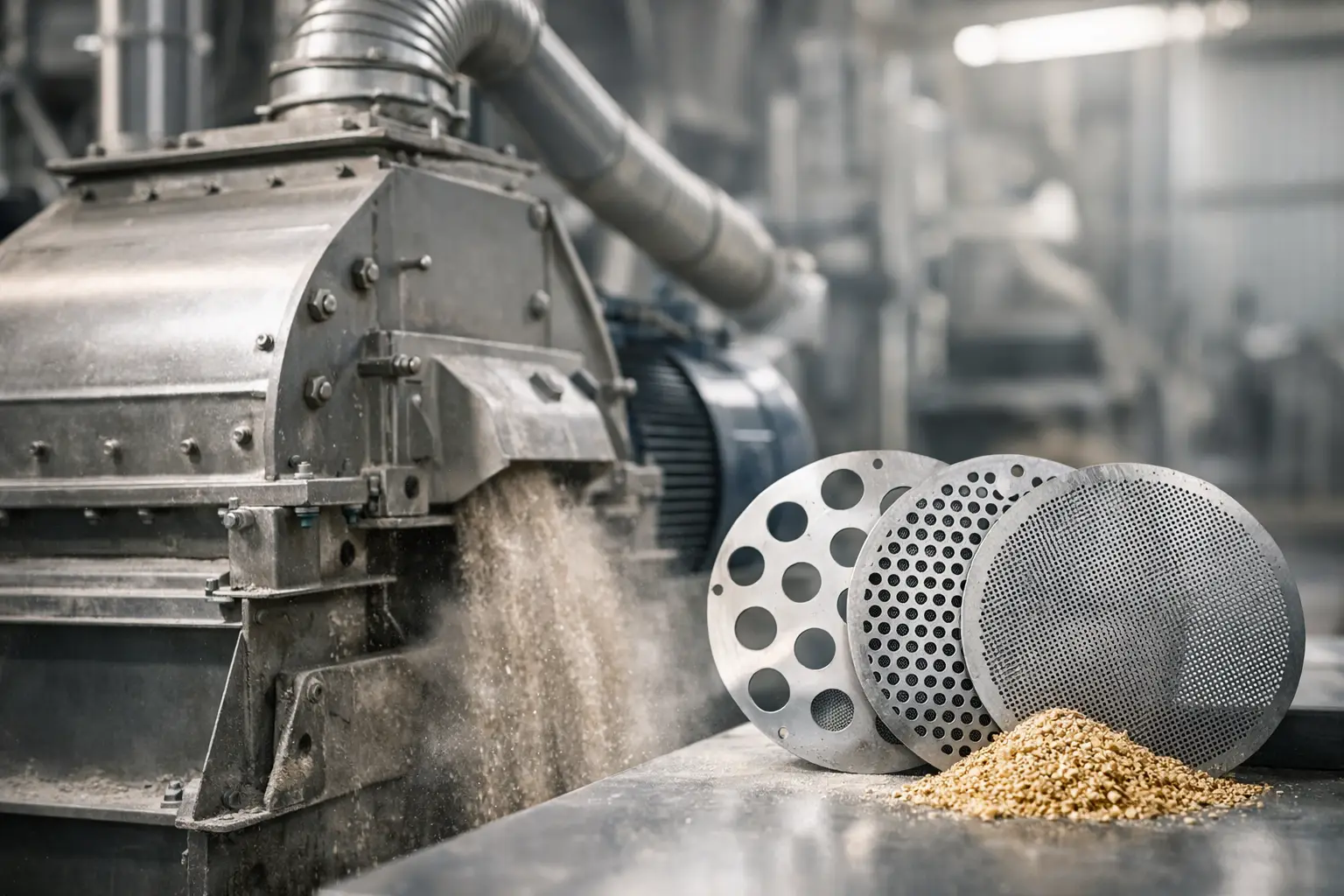
At its core, a turbo mill uses a high-speed rotor to accelerate particles into impact zones. Material is reduced through particle-to-particle collision and contact with internal grinding components, while an induced air stream transports fines from the milling chamber. Oversize material remains in the active zone until it has been sufficiently reduced or passes the internal classification point.
This relationship explains why a change intended to raise output can also alter final quality. Increasing the feed rate may improve kilograms per hour, but it can reduce the available energy per kilogram and broaden the particle size distribution. Raising rotor speed can create a finer product, but it may also increase power consumption, heat generation and component wear. The target is not the highest possible speed or capacity. It is the most stable operating window that meets specification at an acceptable total operating cost.
Feed consistency sets the baseline
A turbo mill cannot correct an inconsistent feed stream indefinitely. Variation in feed particle size, bulk density, moisture content or flowability produces variation in residence time and impact conditions. The result can be shifts in median particle size, excess coarse material, elevated fines or periodic pressure instability.
A controlled feeder is therefore part of mill performance, not simply an upstream accessory. Screw feeders, rotary valves, loss-in-weight systems and agitated hoppers should be selected around the material’s actual handling characteristics. Free-flowing crystalline products may meter predictably through a simple arrangement, whereas cohesive powders may bridge, rat-hole or compact. In these cases, hopper geometry, agitation and feed screw design require as much attention as the mill itself.
Feed size matters as well. A turbo mill can accept a defined top size, but asking it to perform excessive pre-reduction work reduces capacity and increases wear. Where incoming material is irregular or contains large agglomerates, a suitably designed pre-crushing or de-lumping stage can make downstream milling considerably more repeatable.
Balancing rotor speed, airflow and classification
Rotor tip speed is one of the principal controls for particle size reduction. Higher speed generally increases impact intensity and supports finer grinding, particularly with brittle materials. Yet this relationship is not linear across all products. Once a material becomes prone to coating, softening or agglomeration, additional speed may produce less useful breakage and more process instability.
Airflow performs several jobs simultaneously. It removes fine particles from the grinding zone, carries product to separation equipment, assists cooling and influences the internal residence time of material. Insufficient airflow can lead to product accumulation, temperature rise and a broad distribution. Excessive airflow may remove particles before adequate size reduction has occurred, increasing the coarse fraction or reducing mill efficiency.
The classifier setting must be considered alongside both variables. A tighter cut point can improve size control, but it usually comes with a throughput penalty because more material is returned to the milling zone. A more open setting can increase production rate, although it may compromise the upper particle size limit. This is a process decision driven by the product specification, not a universal machine setting.
For performance-critical applications, monitoring should focus on trends rather than a single final sieve result. Useful operating indicators include:
- feed rate and feeder stability;
- mill motor load and rotor speed;
- inlet and outlet air temperature;
- differential pressure across the mill and collection system;
- particle size distribution, including the coarse tail rather than only the median value.
Together, these signals show whether the mill is operating within a repeatable process window. A stable motor load with a drifting coarse fraction, for example, may point to classifier wear or an airflow change rather than a feed issue.
Material behaviour determines the right configuration
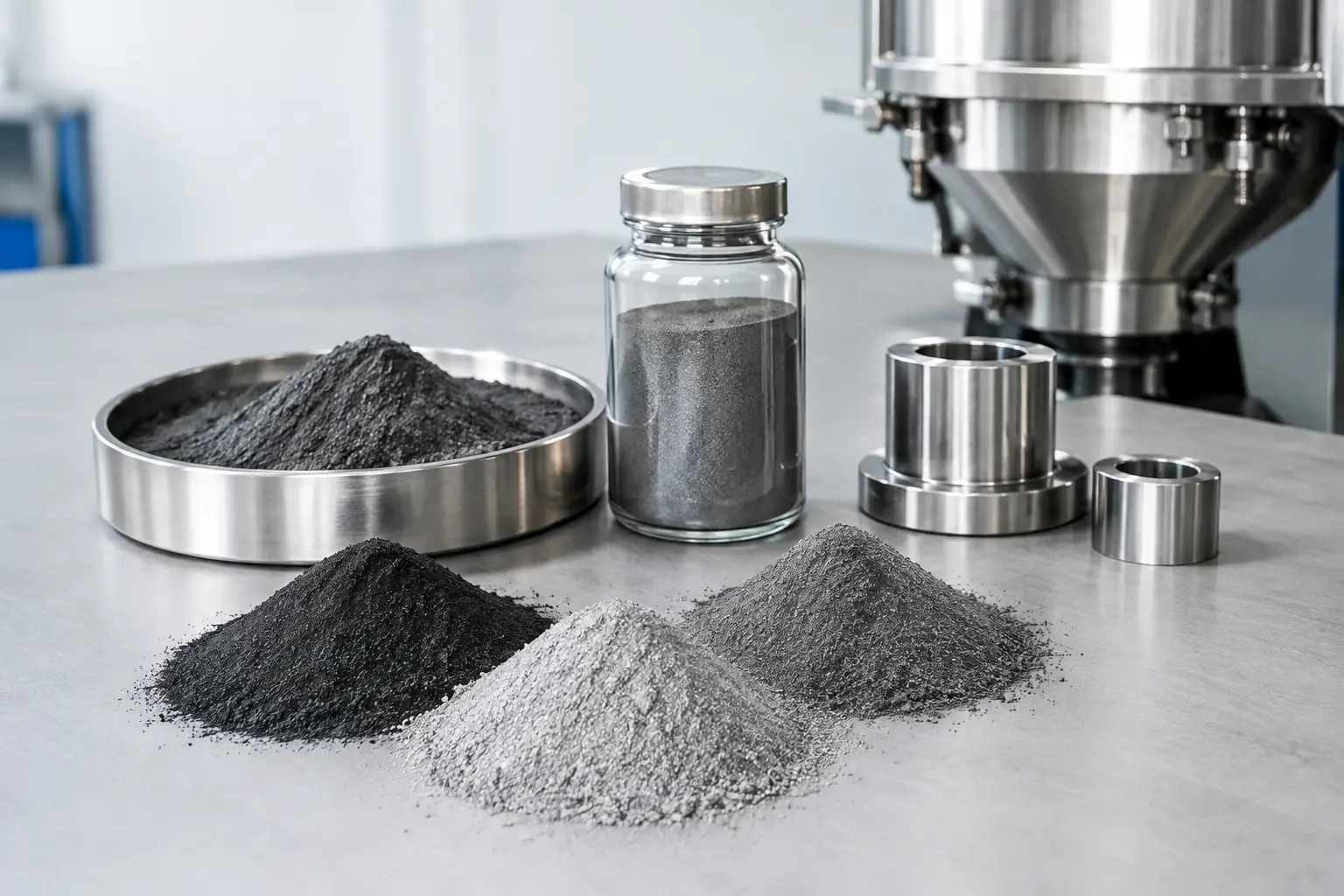
The behaviour of the material should guide equipment selection and process design from the outset. Brittle, dry products usually respond well to impact milling. Materials with high elasticity, fat content, wax content or moisture can absorb impact energy, smear on internal surfaces or form agglomerates. Heat-sensitive materials introduce another constraint because friction and recirculation can raise product temperature even when ambient air is cool.
Where temperature control is critical, the solution may include cooled process air, an insulated system, shorter residence time, staged milling or cryogenic processing. Each approach carries a cost and complexity trade-off. Cryogenic milling can make difficult materials brittle and improve handling, but it requires the infrastructure and operating discipline associated with low-temperature processing. It is most justified where conventional milling cannot maintain product integrity or achieve the required fineness.
Hygroscopic powders require particular attention to air conditioning and collection. Changes in humidity can affect flow, agglomeration and filter behaviour. Products that are potentially explosive, hazardous or cross-contamination sensitive require an appropriately engineered containment, venting, grounding and cleaning strategy. These considerations should be built into the system specification rather than treated as modifications after installation.
Wear is a quality issue, not only a maintenance issue
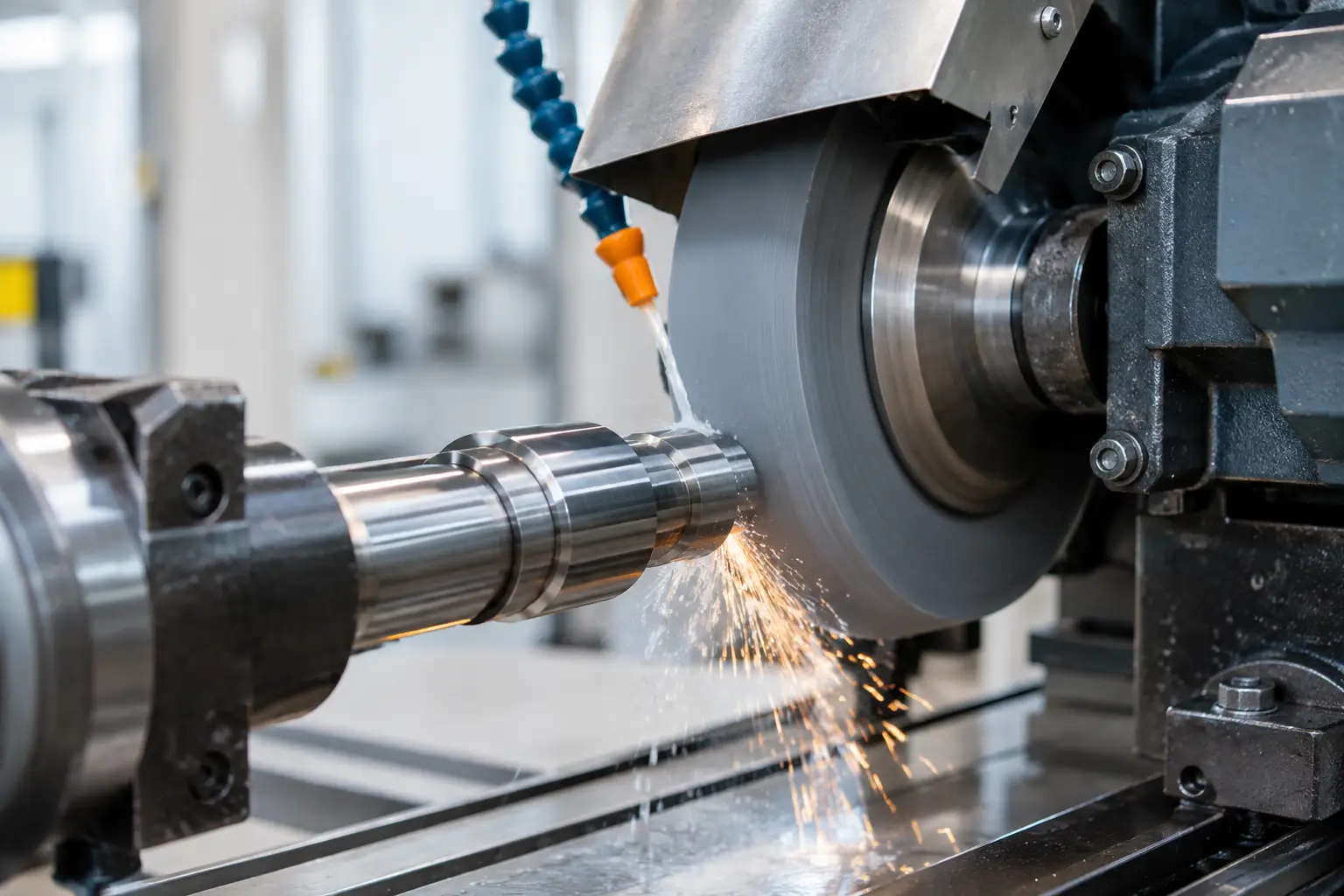
Abrasion changes turbo mill performance gradually, which makes it easy to overlook. As rotor pins, beaters, liners and classifier components wear, the machine’s impact profile and cut point can shift. Capacity may decline, power demand may rise and particle size control can become less predictable. In high-purity products, wear also creates a potential contamination risk.
The correct wear protection depends on the material and the required product purity. Hardened steels may be appropriate for some duties, while stainless steel, ceramic-lined or specialist wear-resistant components may be needed for corrosive, abrasive or contamination-sensitive applications. There is no single best construction. A lining that maximises service life may not be suitable where metallic contamination must be tightly controlled, and a premium material choice should be assessed against product value and cleaning requirements.
Planned inspection is more economical than waiting for a measurable quality failure. Record component condition alongside operating data, then correlate wear with throughput, power draw and particle size results. This creates a practical basis for replacement intervals and avoids unnecessary downtime.
Design the complete process, not just the mill
A turbo mill performs within a system that includes feeding, air handling, product collection, conveying and controls. Poorly sized ducting, a restrictive filter, air leakage or an unstable rotary valve can undermine an otherwise well-configured mill. The collection system must maintain the intended pressure balance while efficiently separating product from process air.
For fine powders, the cyclone and filter arrangement affects yield and the recovery of the finest fraction. Filter media selection, pulse-cleaning performance and discharge design all influence whether product accumulates in the collector or moves reliably to the next stage. If the process uses pneumatic conveying, transfer velocity must protect product quality without causing excess segregation, attrition or line wear.
Automation adds value when it is used to maintain the validated process window. Variable-speed drives, pressure monitoring, temperature alarms and controlled feeding can help operators respond before quality drifts outside specification. For regulated production, recipe management and recorded operating parameters also support traceability and repeatability.
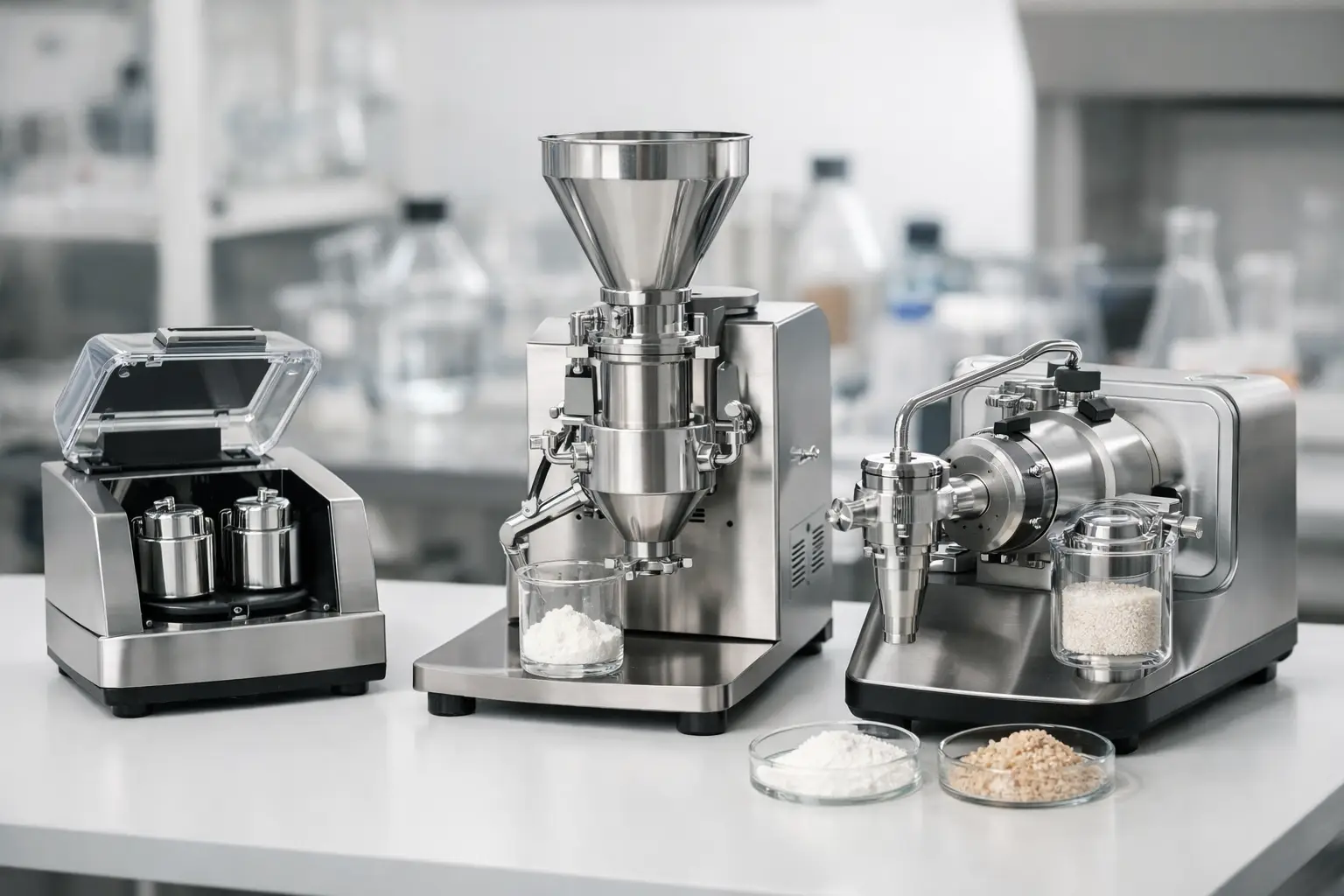
Pilot trials are the most reliable way to establish this window before committing to production-scale equipment. They reveal whether the desired result is achievable at the required throughput, identify likely wear behaviour and allow the process to be evaluated with real product rather than assumptions. DP Pulveriser UK supports this progression from development work through to engineered industrial milling systems, helping manufacturers translate test results into dependable full-scale production.
Improving performance without sacrificing product quality
When output or quality deteriorates, changing several settings at once makes diagnosis difficult. Start by confirming the feed condition, actual feed rate and air balance. Then assess rotor speed and classifier settings against current particle size data. This disciplined approach separates a true milling limitation from an upstream handling issue or downstream collection restriction.
The best turbo mill installation is one that gives operators enough control to respond to normal material variation without constant intervention. Specify the required particle size distribution, throughput range, product temperature limit, cleanability, containment level and acceptable contamination risk early. Those details determine the right configuration far more effectively than selecting a machine by nominal capacity alone.
A well-engineered turbo milling process should make consistency routine: predictable feed, measured airflow, controlled classification and timely maintenance. When those fundamentals are designed together, the mill becomes a reliable production asset rather than a recurring source of quality variation.